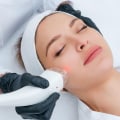
After indulging in a rejuvenating facial, the glow on your skin is hard to miss. However, the key to maintaining that luminous complexion lies in establishing a skincare routine post-facialestablishing a skincare routine post-facial. Your skin has just experienced a deep cleanse and treatment, and now it needs your help to lock in those benefits and extend the radiance. Many people often overlook the importance of aftercare, mistakenly believing that the facial alone will suffice. But just like any other self-care ritual, what you do afterward plays a crucial role in how your skin responds and retains its newfound vitality.
In this article, we will explore essential steps and tips for crafting an effective post-facial skincare regimen that will not only enhance your glow but also promote long-term skin health. Whether you are a skincare novice or a seasoned enthusiast, understanding how to care for your skin after a facial can make all the difference. From choosing the right products to implementing proper techniques, every detail matters. So, let’s dive into the world of post-facial skincare and discover how to keep that glow shining bright!After indulging in a facial treatment, it is essential to establish a diligent skincare routine to maximize the benefits gained during your session. A well-structured post-facial routine not only enhances your glow but also aids in prolonging the results of the treatment.
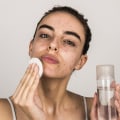
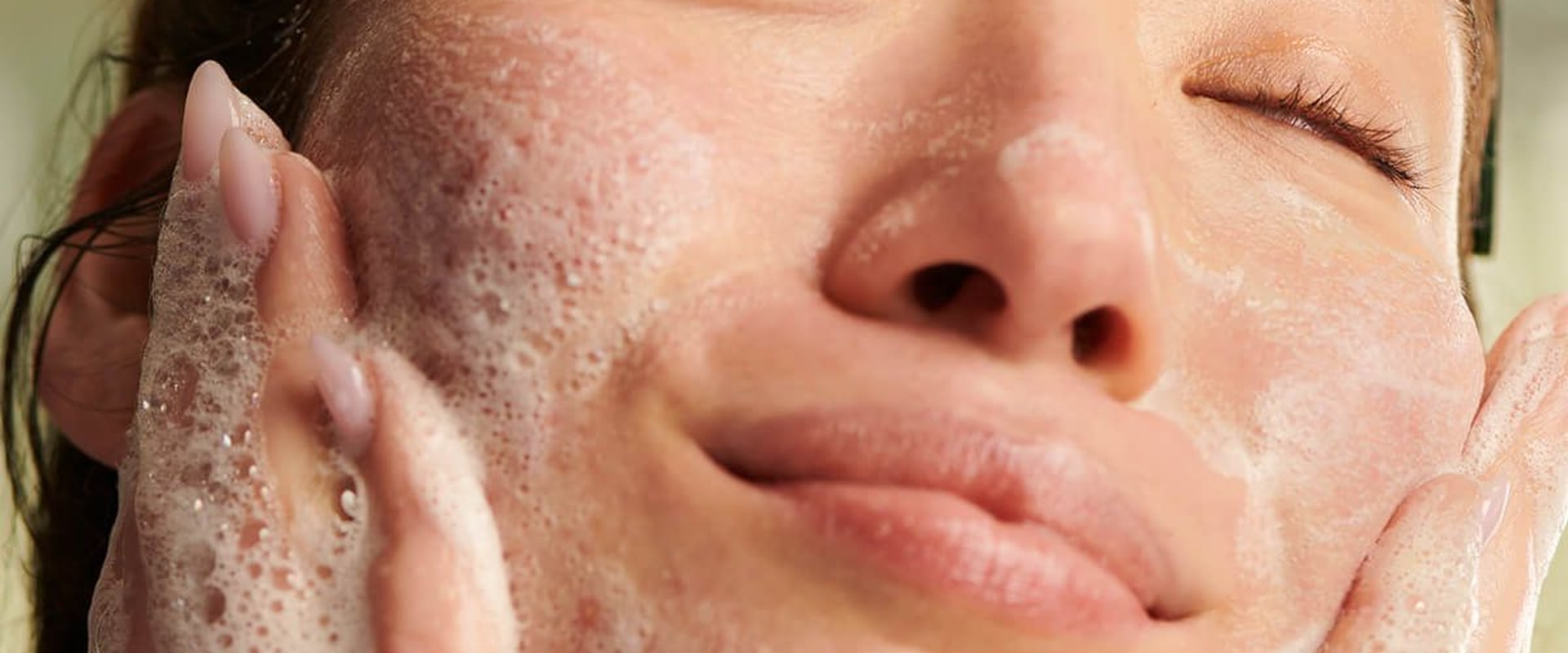
The first step in this essential regimen is cleansing. Following a facial, your skin is often more sensitive and receptive to products, making it crucial to use a gentle cleanser tailored to your skin type. For oily skin, consider a foaming cleanser with salicylic acid to help control excess oil and prevent breakouts. Those with dry skin should opt for a cream-based cleanser that hydrates while removing impurities.
Combination skin may benefit from a mild gel cleanser that balances both oily and dry areas. Next in your post-facial routine is moisturizing. This step is vital for restoring hydration and maintaining the skin’s barrier function. A lightweight, non-comedogenic moisturizer is ideal for oily skin types, while dry skin can be treated with a richer cream containing hyaluronic acid or ceramides for added moisture. For combination skin, a gel-cream hybrid can provide the right balance of hydration without overwhelming any one area.
It’s important to remember that moisturizing helps seal in the benefits of your facial, ensuring that your skin remains supple and glowing. Another critical component of your post-facial skincare routine is the daily application of sunscreen. After a facial, your skin may be more susceptible to sun damage, making sunscreen protection imperative. Choose a broad-spectrum SPF of at least 30, and if you have oily skin, look for an oil-free formula to avoid clogging pores. For those with dry or sensitive skin, consider a mineral sunscreen with soothing ingredients like zinc oxide or titanium dioxide to minimize irritation. It is also important to note that various types of facials can require different approaches to aftercare.
For instance, if you received a chemical peel or microdermabrasion treatment, your skin might experience heightened sensitivity. In such cases, limit exposure to sun and avoid active ingredients like retinol or exfoliating acids for at least a week post-treatment. Conversely, hydrating facials may allow for a more relaxed approach as the skin is typically less reactive. As you follow your skincare regimen, be mindful of potential post-treatment issues such as sensitivity or breakouts. If you experience redness or irritation after your facial, using products with calming ingredients like aloe vera or chamomile can help soothe your skin.
If breakouts occur, avoid picking at them; instead, incorporate a targeted treatment containing benzoyl peroxide or tea tree oil to address acne without compromising your overall skincare goals. Furthermore, there are certain activities and products you should avoid immediately after a facial to ensure optimal recovery. Steer clear of harsh scrubs, aggressive exfoliants, and heavy makeup for at least 24 hours following your treatment. These can irritate freshly treated skin and negate the benefits of your facial. Additionally, avoid hot showers or saunas for a couple of days as heat can exacerbate sensitivity. Expert insights emphasize the importance of patience and consistency in any post-facial skincare routine.
As Dr. Jane Smith, a certified dermatologist, states, "The key to maintaining the results of any facial treatment lies in daily care; nourishing your skin helps retain moisture and keeps it healthy long-term." Similarly, client testimonials often reflect the transformative effects of adhering to a thoughtful skincare routine after facials: "I noticed such a difference when I started following my post-facial regimen—my skin feels healthier and looks more radiant than ever!" By committing to these essential steps—cleansing, moisturizing, and protecting—you can enjoy the enhanced glow of your facial treatment for longer.
Long-Term Skincare Practices
Establishing a long-term skincare routine after receiving a facial is essential for maximizing the benefits of the treatment. Different types of facials may require specific adjustments to your skincare regimen to ensure optimal results. For example, if you received a hydrating facial, you may want to incorporate more moisturizing products into your daily routine to maintain that enhanced hydration.Conversely, if you experienced a clarifying facial, focusing on lightweight, non-comedogenic products will help keep your skin clear and balanced. In addition to adjusting your product selection, consider the frequency of your facial treatments. Many experts recommend scheduling maintenance facials every four to six weeks, depending on your skin type and concerns. If you find that your skin is responding well to treatments, you might extend the time between visits. However, if you notice any changes in your skin's condition, such as increased dryness or breakouts, it may be a sign to return sooner. Regularly assessing your ongoing skin needs is crucial.
Keep track of how your skin reacts to various products and treatments over time. If you experience significant changes in your skin—due to factors like seasonal shifts, hormonal changes, or lifestyle adjustments—it may be necessary to revise your long-term skincare strategy accordingly. Consulting with a skincare professional can provide personalized guidance tailored to your evolving needs.
Immediate Aftercare Tips
After indulging in a facial treatment, it is crucial to follow specific immediate aftercare tipsimmediate aftercare tips to ensure your skin remains healthy and radiant. The first step is to gently cleanse your face with a mild, hydrating cleanser.This helps remove any residual products used during the treatment while keeping the skin's natural barrier intact. Next, apply a soothing toner to help balance the skin's pH levels. Look for toners that contain calming ingredients like aloe vera or , which can reduce redness and irritation. Follow this with a nourishing serum tailored to your skin type, focusing on ingredients that promote hydration and repair, such as hyaluronic acid or vitamin C.Moisturizing is essential after a facial. Opt for a lightweight moisturizer that provides hydration without clogging pores.
If your skin feels particularly sensitive, consider using a richer cream that contains ceramides or shea butter to reinforce the skin barrier. Don’t forget to apply a broad-spectrum sunscreen if you're stepping out into the sun. Your skin is more vulnerable after a facial, making it essential to protect it from UV damage. Choose a sunscreen with at least SPF 30 to shield your skin effectively. Lastly, avoid touching your face for at least a few hours post-treatment, as this can introduce bacteria and lead to breakouts. Instead, allow your skin to breathe and absorb the beneficial products you’ve applied.
Understanding Your Facial Treatment
When it comes to skincare, understanding the type of facial treatment you receive at a medspa is crucial for optimizing your post-facial skincare routine.Different facials cater to various skin concerns and conditions, and knowing their specific benefits can help you maintain that radiant glow long after your appointment.
Hydrafacials
are one of the most popular options offered in medspas. This treatment combines cleansing, exfoliation, extraction, hydration, and antioxidant protection in a single session. The multi-step process not only rejuvenates the skin but also leaves it deeply hydrated. Post-treatment, it's essential to use gentle products that will not strip the skin of its newfound moisture.Chemical peels
are another frequently sought-after facial treatment.They utilize various acids to exfoliate the skin and address issues like hyperpigmentation, fine lines, and acne. Depending on the strength of the peel, your skin may require specific aftercare to facilitate healing and maximize results. Using calming and hydrating products is vital after a chemical peel to soothe any irritation.
Anti-aging facials
, on the other hand, focus on nourishing the skin with ingredients that promote collagen production and enhance elasticity. These treatments often include serums rich in vitamins and antioxidants.Following an anti-aging facial, it’s beneficial to incorporate products that support cellular turnover and hydration to prolong the effects of the treatment. Understanding these different types of facials not only enhances your immediate results but also guides you in selecting suitable products for your skincare routine. Tailoring your post-facial care based on the treatment received ensures that you continue to reap the benefits long after leaving the medspa. Following an anti-aging facial, it’s beneficial to incorporate products that support cellular turnover and hydration to prolong the effects of the treatment. Understanding these different types of facials not only enhances your immediate results but also guides you in selecting suitable products for your skincare routine. Tailoring your post-facial care based on the treatment received ensures that you continue to reap the benefits long after leaving the medspa.
Choosing the Right Products
After receiving a facial, choosing the right skincare products is crucial to maximize the benefits of your treatment. Each skin type has unique needs, and understanding these can help you select products that will enhance your glow while addressing any concerns.Oily skin
types should look for lightweight, oil-free moisturizers and serums containing ingredients like salicylic acid or niacinamide. These ingredients help control excess oil production and prevent breakouts, ensuring your skin remains clear post-treatment. If you have dry skin, opt for richer creams that contain hydrating ingredients such as hyaluronic acid or glycerin.These ingredients will help lock in moisture and provide a soothing effect after the facial. For those with sensitive skin, it’s best to stick with fragrance-free and gentle formulations. Look for products that contain aloe vera or chamomile, which are known for their calming properties, helping to reduce redness and irritation.
Combination skin
types can benefit from a balanced approach. Use lightweight moisturizers on oily areas while applying more hydrating products where the skin is dry. Ingredients like green tea extract can also be beneficial due to its antioxidant properties. Additionally, be mindful of specific ingredients that may not be suitable immediately after certain treatments.For instance, after a chemical peel or microdermabrasion, avoid products containing retinol or exfoliating acids for at least a week, as they can irritate freshly treated skin. Instead, focus on soothing and hydrating products to aid in recovery. Always consult with your skincare professional for personalized recommendations based on your facial treatment and individual skin concerns. This way, you can ensure that your post-facial routine supports both short-term recovery and long-term skincare goals. In conclusion, establishing a skincare routine post-facial is essential for maximizing the benefits of your treatment. By understanding your facial treatment, implementing immediate aftercare tips, and committing to long-term skincare practices, you can significantly enhance your skin's glow and health.
Choosing the right products tailored to your specific skin needs will further ensure that the results of your facial are not only maintained but also prolonged. We cannot overstate the importance of consulting with your skincare professionals; they can provide personalized advice that aligns with your unique skin type and concerns. Remember, the key to achieving lasting results lies in the dedication to a customized skincare regimen following your facial.