After indulging in a rejuvenating facial treatment, your skin deserves the utmost care and attention.
Protecting Your Skin After a Facial Treatment
is not just about enjoying the glow; it’s about ensuring that the benefits of your treatment last as long as possible. One of the most critical aspects of post-facial care is to be mindful of sun exposure. The skin is often more sensitive and vulnerable right after a facial, making it essential to take proactive steps to safeguard it from harmful UV rays. Whether you've just experienced a deep cleansing, hydration boost, or any advanced treatment, understanding how to care for your skin afterwards can significantly enhance its health and appearance. is not just about enjoying the glow; it’s about ensuring that the benefits of your treatment last as long as possible. One of the most critical aspects of post-facial care is to be mindful of sun exposure. The skin is often more sensitive and vulnerable right after a facial, making it essential to take proactive steps to safeguard it from harmful UV rays. Whether you've just experienced a deep cleansing, hydration boost, or any advanced treatment, understanding how to care for your skin afterwards can significantly enhance its health and appearance.In this article, we will delve into effective strategies for Avoiding Sun Exposure Post-Facial, highlighting why this practice is vital for maintaining your skin's integrity and promoting healing. Join us as we explore expert tips and insights that will help you navigate the post-facial phase with confidence, ensuring that your skin remains radiant, healthy, and protected. Your journey to beautiful skin doesn't end at the treatment room; it continues with the right aftercare!After undergoing a facial treatment, it is essential to prioritize aftercare to ensure optimal results and protect the delicate skin. One of the most critical aspects of post-facial care is avoiding sun exposure. The skin is particularly sensitive after treatments, making it more vulnerable to the harmful effects of UV rays.
Understanding the implications of sun exposure on freshly treated skin can significantly enhance the benefits of various facial treatments. Sun exposure can lead to serious complications for newly treated skin. For instance, UV rays can cause damage to newly exfoliated skin, increasing the risk of complications such as hyperpigmentation and irritation. This is especially true for individuals who have undergone exfoliating facials, as these treatments remove dead skin cells and reveal fresh skin that is more susceptible to environmental aggressors. If exposed to sunlight, this new layer can react adversely, leading to dark spots that are often difficult to treat. Different types of facials come with unique aftercare requirements regarding sun exposure.
For example, hydrating facials typically aim to replenish moisture and enhance the skin's barrier function. However, even with improved hydration, the skin remains fragile, and exposure to UV rays can dehydrate it further and exacerbate any redness or irritation. On the other hand, acne treatments often involve ingredients like salicylic acid or benzoyl peroxide that can make the skin more sensitive to sunlight. Thus, avoiding sun exposure is crucial for individuals who have just completed such treatments. To protect your skin after a facial, there are several recommended practices.
First and foremost, applying a broad-spectrum sunscreen with an SPF of at least 30 is vital. This step should be incorporated into your daily routine, even on cloudy days, as UV rays can penetrate through clouds. Additionally, wearing protective clothing such as wide-brimmed hats can offer extra shielding from the sun's rays. Seeking shade during peak sun hours, typically between 10 a.m.
and 4 p.m., is also advisable to minimize direct exposure. While there may be differing opinions on the need for sun avoidance after a facial, it is crucial to rely on scientific evidence that supports these recommendations. Some may argue that a brief sun exposure can be beneficial for Vitamin D synthesis; however, this must be weighed against the potential damage that can occur to sensitive skin post-treatment. The consensus in dermatology emphasizes caution and protective measures as essential components of skincare regimens following any facial treatment. In summary, understanding the importance of avoiding sun exposure after a facial treatment cannot be overstated. By recognizing how UV rays can harm freshly treated skin and tailoring aftercare practices accordingly, you can enhance the results of your facial while safeguarding your skin's health.
Why Sun Protection Matters After a Facial
After undergoing a facial treatment, your skin is often in a heightened state of sensitivity.This sensitivity arises from the exfoliation and stimulation that occurs during the treatment process, which can leave your skin more susceptible to external elements, particularly UV rays.
Avoiding sun exposure post-facial
is crucial because the skin's protective barrier may be compromised, making it easier for harmful rays to penetrate and cause damage. When exposed to sunlight after a facial, the risk of hyperpigmentation increases significantly. This is especially true for treatments aimed at correcting skin tone or texture, such as chemical peels or microdermabrasion. UV exposure can lead to the development of dark spots or uneven skin tone, counteracting the benefits of the facial treatment. Moreover, sun damage can accelerate the aging process of your skin.The delicate skin that has just been treated is more likely to suffer from sunburn and inflammation, which can result in long-term damage such as wrinkles and loss of elasticity. Protecting your skin from the sun not only helps maintain the results of your facial but also contributes to your overall skin health. In summary, understanding why avoiding sun exposure post-facial is essential enables you to maximize the benefits of your treatment and promote healthier, more resilient skin in the long run. The importance of sun protection cannot be overstated; it is a vital part of your aftercare routine that will help you achieve lasting results.
What to Expect From Your Facial Treatment
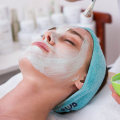
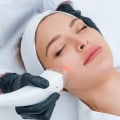
Understanding what happens during a facial treatment is essential for appreciating the importance of Avoiding Sun Exposure Post-Facial. Facial treatments typically begin with a thorough cleansing of the skin, removing dirt, oil, and makeup.This initial step prepares your skin for deeper treatments and ensures that it is in the best possible condition to absorb the benefits of subsequent procedures. Following the cleansing, many facials include exfoliation, which helps to slough away dead skin cells and promote cell turnover. This process can leave your skin feeling smoother and more radiant but can also make it more susceptible to irritation, especially when exposed to sunlight. Next, a facial may involve extractions, where a trained professional removes blackheads and impurities from your pores. While this can significantly improve the appearance of your skin, it also means that your skin may be red and sensitive immediately afterward. After extractions, various masks or serums tailored to your skin type are often applied. These products are designed to hydrate, soothe, or treat specific concerns like acne or signs of aging.
The active ingredients in these products can penetrate deeper into the skin following the treatment, enhancing their effectiveness. However, post-treatment sensitivity makes it crucial to protect your skin from sun exposure to prevent irritation or adverse reactions. Finally, a facial typically concludes with the application of a moisturizer or sunscreen to lock in hydration. While sunscreen is necessary for daily protection, after a facial treatment, your skin may need additional time to heal and recover from any potential irritation caused during the procedure. Understanding these steps can help you recognize why Avoiding Sun Exposure Post-Facial is an essential part of your skincare routine.
Choosing the Right Medspa for Your Facial Needs
When it comes to enhancing your skincare routine through facial treatments, selecting the right medspa is paramount.A specialized medspa can make all the difference in achieving your desired results while ensuring your skin's health and safety. First and foremost, look for a medspa that has licensed and experienced professionals.
Qualified aestheticians
or dermatologists should perform the facial treatments. Their expertise ensures they understand various skin types and conditions, allowing them to tailor treatments to your specific needs. Additionally, check for certifications and affiliations with reputable organizations.Medspas that are accredited by industry bodies demonstrate a commitment to high standards of care. This can give you peace of mind knowing that you are in capable hands. Next, consider the range of services offered. A good medspa should provide a variety of facial treatments, including anti-aging, acne, and hydrating facials. This variety indicates a comprehensive approach to skincare, allowing you to explore different options based on your skin’s needs. Moreover, read reviews and testimonials from previous clients.
Positive feedback can reveal a lot about the quality of care and results you can expect. Look for comments on their experiences regarding aftercare advice, especially in relation to avoiding sun exposure post-treatment, as this is crucial for maintaining optimal results. Finally, schedule a consultation before committing to any treatment. This meeting allows you to gauge the staff's knowledge and how they respond to your concerns. Ask about their aftercare recommendations, particularly regarding sun exposure, to ensure they prioritize your skin's health following the treatment. In summary, selecting a medspa that specializes in facial treatments involves assessing qualifications, services, client feedback, and the overall approach to aftercare.
Making an informed choice can significantly enhance your facial experience and promote long-lasting benefits for your skin.
Best Practices for Sun Protection Post-Facial
After a facial treatment, the skin becomes particularly sensitive and vulnerable to environmental factors, especially sun exposure. To ensure that your skin heals properly and maintains the benefits of your facial, following these best practices for sun protection is essential.1.Use a Broad-Spectrum Sunscreen:
Choose a broad-spectrum sunscreen with at least SPF 30. This type of sunscreen protects against both UVA and UVB rays, which can cause damage to your healing skin. Apply it generously to all exposed areas, even on cloudy days.2.Reapply Regularly:
Sunscreen needs to be reapplied every two hours, or more frequently if you are sweating or swimming.Set a reminder on your phone to ensure you don’t forget this important step.
3.Seek Shade:
Whenever possible, stay in shaded areas, especially between 10 AM and 4 PM when the sun’s rays are the strongest. This can significantly reduce your exposure to harmful UV radiation.4.Wear Protective Clothing:
Consider wearing wide-brimmed hats, sunglasses with UV protection, and long-sleeved shirts to shield your skin from direct sunlight. Fabrics labeled with UPF (Ultraviolet Protection Factor) offer additional protection.5.Avoid Tanning Beds:
Tanning beds can cause significant damage to already sensitive skin post-facial. It’s best to avoid them altogether to prevent adverse effects on your treatment results.6.Consider Physical Barriers:
If you need to be outdoors, using physical barriers like umbrellas or canopies can provide extra protection against sun exposure.7.Stay Hydrated:
Keeping your skin hydrated helps support its healing process.Drink plenty of water and consider using a hydrating serum or moisturizer that contains soothing ingredients like hyaluronic acid or aloe vera. By implementing these best practices, you can effectively protect your skin from sun exposure after a facial treatment, ensuring optimal healing and longevity of your facial results. In conclusion, adhering to aftercare tips is crucial for achieving optimal results from your facial treatments, particularly when it comes to Avoiding Sun Exposure Post-Facial. The skin is more susceptible to damage and irritation after a facial, making it imperative to protect it from harmful UV rays. By prioritizing sun protection, you can enhance the longevity and efficacy of your treatment outcomes, whether you're seeking anti-aging benefits or addressing acne concerns. We encourage you to consult with your skincare professionals for tailored advice on how best to care for your skin post-treatment. They can provide guidance specific to your skin type and treatment plan, ensuring that you maintain the health and vibrancy of your complexion. Remember, proper aftercare is not just a recommendation; it is essential for achieving that healthy, glowing skin you desire.